Sikkim and Darjeeling sit next to each other in the eastern Himalayas and share the same gateway through Siliguri, which is exactly why travellers so often end up comparing them rather than picking one outright.
What Darjeeling offers
A compact, walkable hill station built around tea, the toy train and Tiger Hill's Kanchenjunga sunrise. No permits are needed for the town itself or its tea gardens, which makes it the simpler of the two to plan around — see our Darjeeling travel guide for the details.
What Sikkim offers
More range, at the cost of more planning. Gangtok anchors the east, Pelling and Yuksom cover the monastery-and-trekking west, and Lachen/Lachung in the north reach genuinely high-altitude terrain most travellers never see elsewhere in the region — but North Sikkim specifically requires a registered tour operator and can't be visited independently. See our Sikkim travel guide, West Sikkim guide and North Sikkim guide for each region.
Permits and logistics
This is the clearest practical difference. Darjeeling requires no permit for its main sights. Sikkim layers permits by area: none for Indian nationals in Gangtok or West Sikkim, a Restricted Area Permit for foreign nationals entering the state at all, and additional Protected Area Permits for border-adjacent spots like Tsomgo Lake and Nathula Pass or all of North Sikkim. If you'd rather not deal with permits at all, Darjeeling is the lower-friction choice.
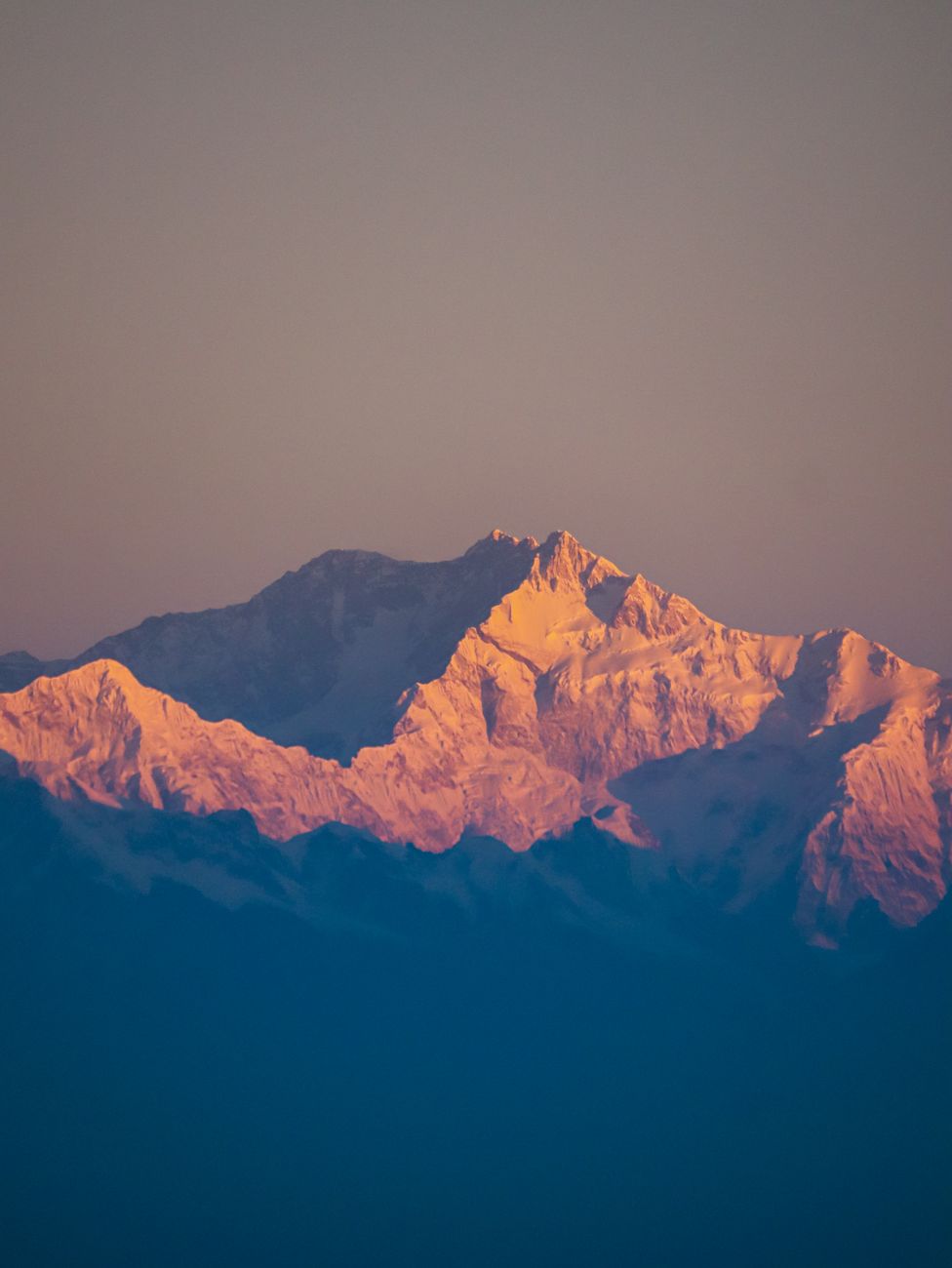
Kanchenjunga views
Both destinations offer genuine views on a clear day, from different angles. Darjeeling's Tiger Hill is the classic sunrise viewpoint; Pelling in West Sikkim offers a closer, more direct angle from the west. Neither is guaranteed — mist can block either view regardless of season, so don't build a single-morning itinerary around it without a backup day.
Combining both
Because they share the same Siliguri/Bagdogra gateway, a common route is Darjeeling first (2-3 days) then a direct road transfer into Sikkim rather than backtracking — see our Darjeeling travel guide for how that transfer works in practice.
If you can only pick one
Pick Darjeeling for a shorter trip with less logistics to manage, or if the toy train and tea gardens are the specific draw. Pick Sikkim if you have 5+ days and want more varied terrain, and don't mind the extra permit planning that comes with it.
Frequently asked questions
Is Sikkim or Darjeeling better for a first Himalayan trip?
Darjeeling is the simpler starting point — no permits, well-established tourist infrastructure, and a compact hill-station centre. Sikkim asks more of you upfront (permits, longer drives) but covers more varied terrain, from Gangtok to West and North Sikkim.
Can I visit both Sikkim and Darjeeling in one trip?
Yes, and it's a common route, since both share the same Siliguri/Bagdogra gateway. Most travellers do Darjeeling first (2-3 days) then transfer directly into Sikkim rather than backtracking.
Where are the views of Kanchenjunga better, Sikkim or Darjeeling?
Both offer genuine views on a clear day. Darjeeling's Tiger Hill is the classic sunrise viewpoint; in Sikkim, Pelling in the west offers a closer, more direct angle. Neither is guaranteed — mist can block either view at any time of year.