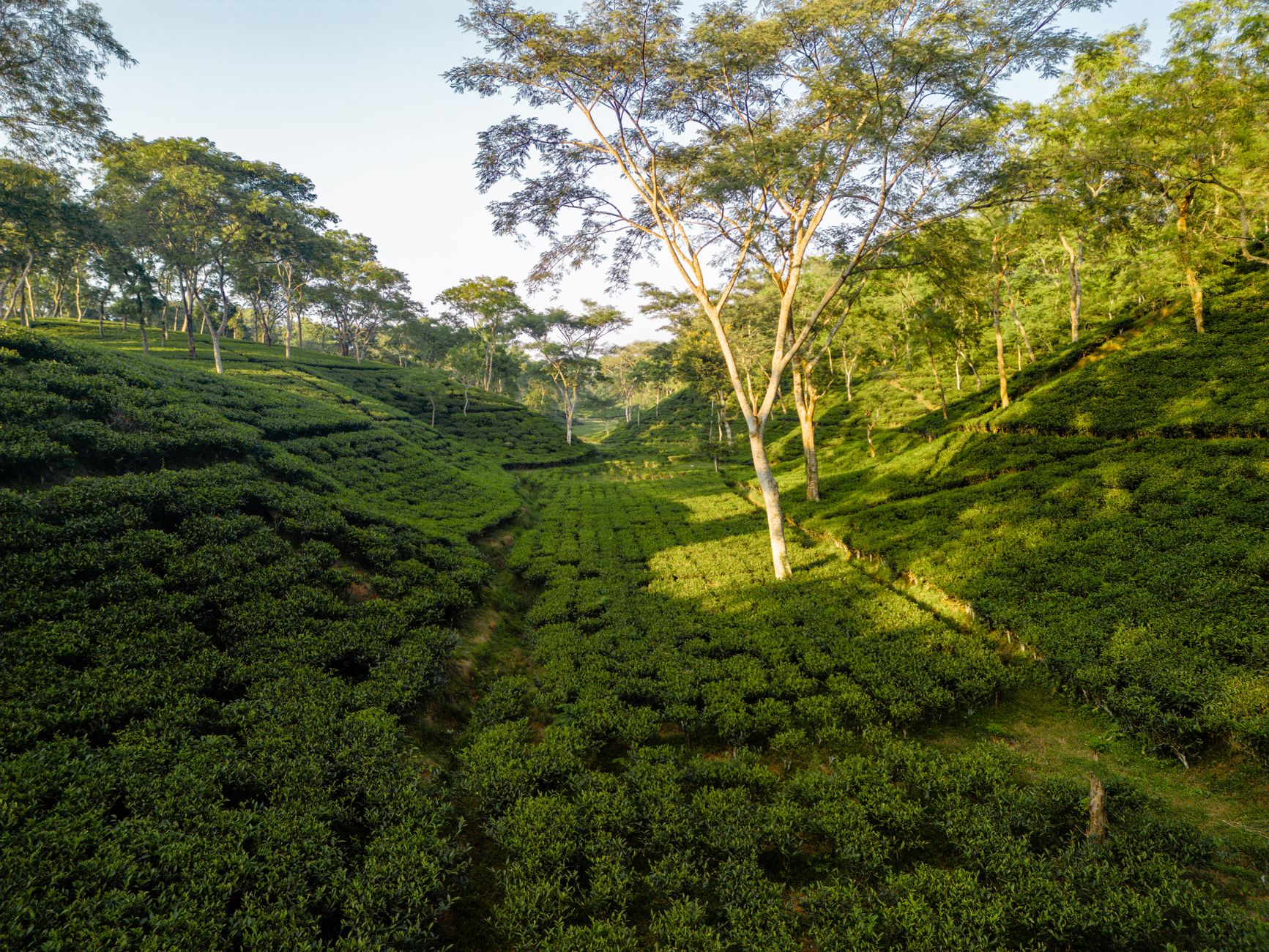
Darjeeling built its name on tea and altitude. Perched in the hills of West Bengal at around 2,000 metres, it's famous for its tea gardens, the UNESCO-listed Darjeeling Himalayan Railway (the "toy train"), and — on a clear morning — views of Kanchenjunga, the world's third-highest peak.
What to plan around
Most visits centre on three things: a sunrise trip to Tiger Hill for the Kanchenjunga view, a ride on the toy train (either the full heritage route or a shorter joy ride around the Batasia Loop), and a walk through one of the working tea estates on the edge of town. None of these require much advance planning individually, but they're weather-dependent — mist can block the Tiger Hill view entirely, so build in a spare morning if you can.
When to go
October to early December tends to offer the clearest mountain views, after the monsoon and before the coldest, foggiest stretch of winter. Spring (March–April) is also workable and coincides with the first flush tea harvest, of interest if tea itself is part of your trip. The monsoon (June–September) brings heavy rain, frequent mist and a real risk of landslides on the approach roads.
Getting there
Bagdogra Airport and New Jalpaiguri railway station near Siliguri are the main gateways, with a road transfer of roughly 3 hours up into Darjeeling. It's the same entry point used for Sikkim, which is why the two destinations are so often combined — see our getting around guide for shared jeeps between towns once you've arrived.
Combining Darjeeling with Sikkim
Because both share the same access point via Siliguri, a common route is Darjeeling first (2–3 days), then a road transfer directly into West Sikkim or Gangtok rather than backtracking. It avoids doubling back through Siliguri and lets you treat the two as one regional trip rather than two separate ones — see our Sikkim travel guide for how to plan the second half of the trip, where to stay in Darjeeling for the first half, or our Sikkim vs Darjeeling comparison if you are still deciding how to split your time.
If you want a quieter stop along the way, Kalimpong sits on the same road between Darjeeling and Sikkim and is an easy one- or two-night add-on without extra permits.
Booking the toy train
The full heritage steam route to Ghum is limited-capacity and sells out days ahead in peak season — book it as soon as your dates are fixed, not on arrival. The shorter diesel joy ride around the Batasia Loop runs more frequently and is usually easier to arrange last-minute if the heritage route is full. See our full toy train guide for booking steps and current fare ranges.
Frequently asked questions
How do I get to Darjeeling?
Via Bagdogra Airport or New Jalpaiguri railway station near Siliguri, followed by a road transfer of roughly 3 hours up into Darjeeling.
What's the best time to see Kanchenjunga from Tiger Hill?
October to early December tends to offer the clearest views, after the monsoon and before the foggiest stretch of winter. Mist can block the view at any time of year, so build in a spare morning if you can.
Can I combine Darjeeling and Sikkim in one trip?
Yes — both share the same Siliguri gateway. A common route is Darjeeling first (2-3 days), then a direct road transfer into West Sikkim or Gangtok rather than backtracking through Siliguri.