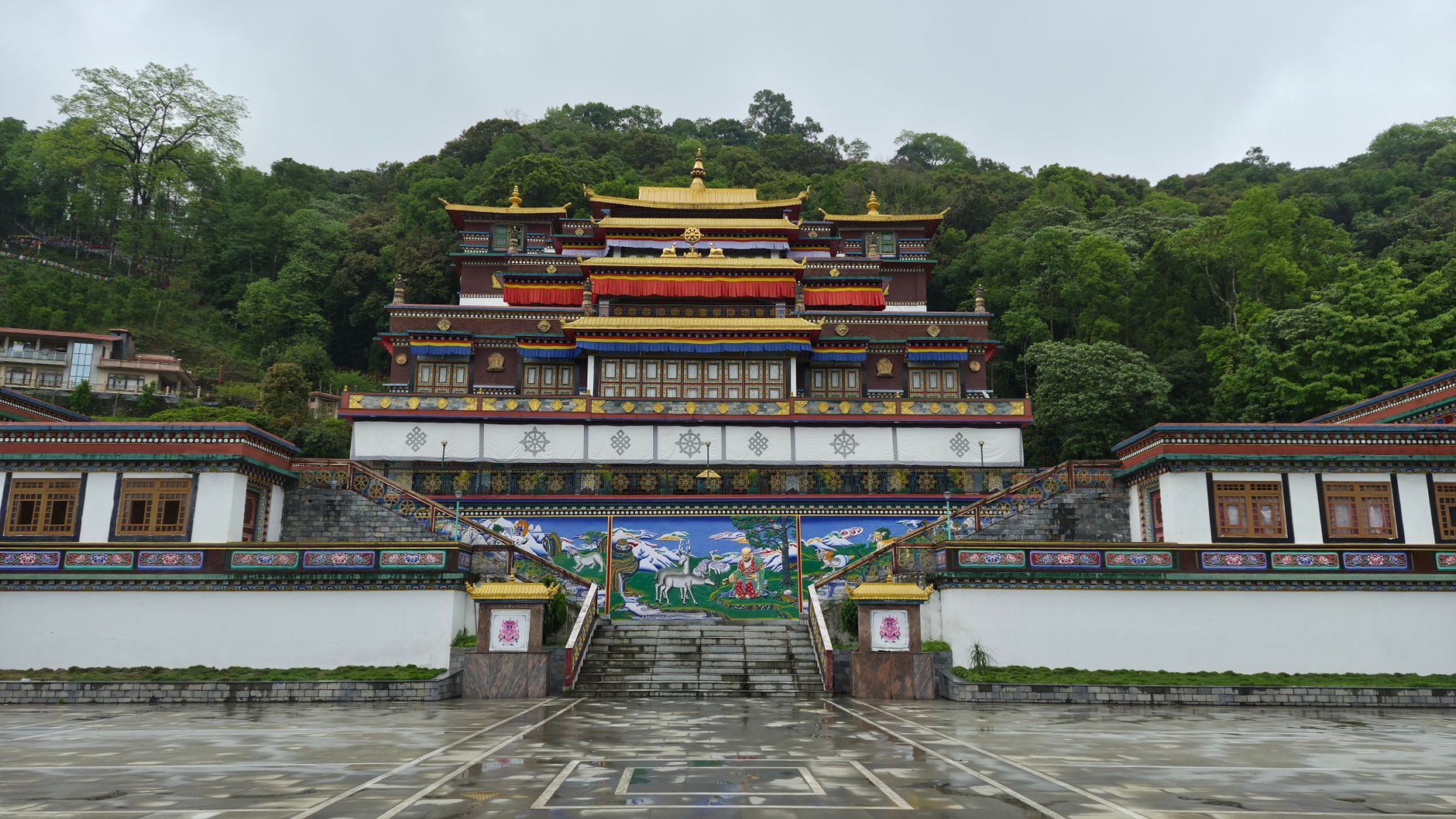
Sikkim sits tucked between Nepal, Bhutan and Tibet in India's northeastern Himalayas — a small state that packs monasteries, high-altitude lakes and some of the best mountain views in the country into a compact area. It's less crowded than the classic North India circuit, which is exactly why more travellers are starting to add it to their itinerary.
Where to base yourself
Gangtok, the capital, is the obvious first stop and the easiest place to arrange onward permits and transport — see our Gangtok shortlist for how to structure a first couple of days there. From there, most itineraries branch out toward Tsomgo Lake and Nathula Pass to the east, toward Pelling and Yuksom in West Sikkim for monastery and trekking country, or toward Lachen and Lachung in North Sikkim for high-altitude lakes and valleys. Few travellers try to cover both sides in one short trip — pick a direction and go deep rather than rushing across the state.
Permits
Parts of Sikkim near the international border, including Tsomgo Lake and Nathula Pass, require an Inner Line Permit, and some areas require additional Restricted Area Permits for foreign nationals. Requirements and the list of accessible areas change from time to time, so confirm the current rules with the Sikkim Tourism Department or a registered local agent shortly before you travel rather than relying on older trip reports.
When to go
Spring (March–May) brings clear skies and rhododendron blooms in the higher valleys. Autumn (October–November) is generally considered the most reliable window for mountain views, after the monsoon clears. Winter reaches Gangtok and higher points with real cold and occasional snow, which some travellers specifically go for. The monsoon months bring heavy rain and a higher chance of landslides affecting mountain roads, so it's worth checking road conditions if travelling June–September. See our month-by-month breakdown for more detail.
Getting there
The nearest major hubs are Bagdogra Airport and New Jalpaiguri railway station, both near Siliguri in West Bengal — from there it's a road journey of several hours up into Sikkim. Pakyong Airport, closer to Gangtok, has limited flight schedules, so it's worth checking current routes before building an itinerary around it. See our getting around guide for shared jeeps and taxi stands once you're on the ground.
How much time to allow
A first trip focused on Gangtok and the eastern side comfortably fits into 4–5 days. Add West Sikkim (Pelling, Yuksom, Khecheopalri Lake) and you're looking at 8–10 days to avoid a rushed, one-night-per-town pace that mountain roads punish badly. Once your dates are set, our Gangtok where-to-stay guide covers which area to book in, or see our 7-day Sikkim and Darjeeling itinerary for a day-by-day route.
Money and connectivity
Carry more cash than you think you'll need — ATMs thin out fast once you're outside Gangtok, and card acceptance drops off in smaller towns. Mobile network coverage gets patchy near the border areas and higher passes; don't count on data for navigation once you're past Gangtok. A local SIM (or an eSIM bought in advance) is worth sorting before you head into the hills, not after. See our packing list for what else to bring.
Frequently asked questions
Do I need a permit to visit Sikkim?
Indian nationals don't need a permit for most of Sikkim. Foreign nationals need a Restricted Area Permit for the state plus an additional Inner Line Permit for border areas like Tsomgo Lake and Nathula Pass. Rules change, so confirm with the Sikkim Tourism Department or a registered local agent shortly before you travel.
How many days do I need in Sikkim?
4-5 days comfortably covers Gangtok and the eastern side. Add West Sikkim (Pelling, Yuksom, Khecheopalri Lake) and plan for 8-10 days to avoid a rushed, one-night-per-town pace.
What's the nearest airport to Sikkim?
Bagdogra Airport near Siliguri, followed by a several-hour road journey into Sikkim. Pakyong Airport is closer to Gangtok but has limited flight schedules — check current routes before relying on it.